
A single product, a thousand channels: how to adapt the tabs produced to the context
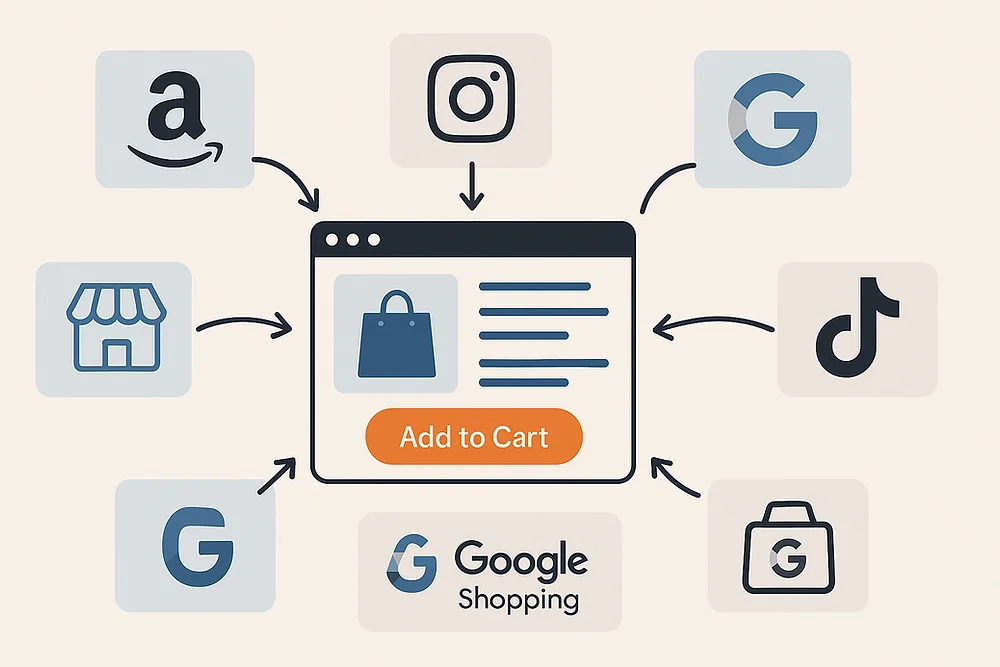
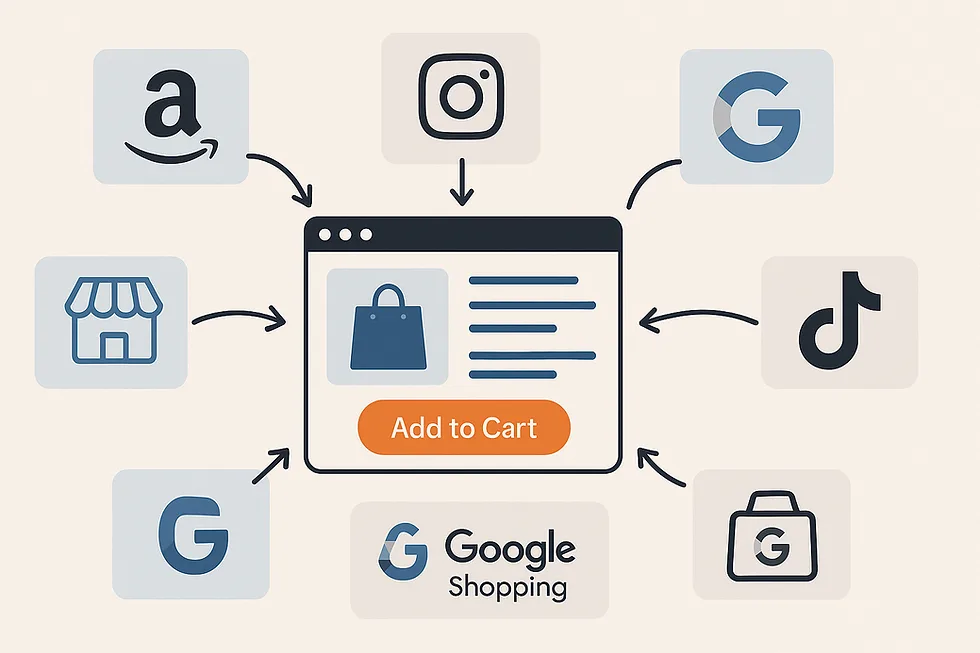
Selling online today means being present on multiple platforms simultaneously. E-commerce owner, Amazon, TikTok Shop, Google Shopping, Instagram, comparators... the list stretches continuously. But if it is true that the product is only one, each channel has its rules, its audience and its language.
That is why it is not enough to “load a product card and replicate it everywhere”: to be really effective, the content must be adapted to the context in which they are used. And do it well – without duplicating the work every time – it is possible. Especially if you have a tool like Sentric. A thousand channels
Perché Why is adapting product cards so important?
A customer who lands on Amazon looks for reliability and comparison.
Instagram wants inspiration.
On Google Shopping compares prices.
On TikTok, he lets himself hit by a creative video.
. In each of these cases, the product card should not say the same things in the same way.
If you want:
increase the relevance,
improve performance,
optimize conversions,
...then you have to start dealing with each channel as an environment to itself, although the product is the same.
? What changes from one channel to another?A thousand channels
Here are some concrete examples of variables that should be adapted:
Title: on Amazon it serves informative and dense keyword; on Instagram it can be short and impactful.
Description: on the site you can deepen; on TikTok Shop you need an emotional synthesis.
Visual: some channels require “neutre” images (e.g. white background), others prefer lifestyle settings.
Call to Action: from “Discover more” to “Add to cart” to “Look at the video”.
Technical formats: each platform has its requirements (image size, text length, mandatory fields...).
Without a system that manages all this, work becomes repetitive, confused and subject to errors.
How it helps you Sentric
Sentric is a platform designed to help companies centrally manage product data, but with the flexibility needed to customize them channel by channel.
This is how it makes everything easier (and much more effective):
One source, many outputs
Instead of creating a board for each channel, in Sentric you build a structured base card, complete with all the information and assets available.
From there, you can generate custom versions based on the channel, with preset rules and custom fields.
o Example:
One product, but:
an extended description for e-commerce,
a synthetic for Google Shopping,
an emotional description for Instagram.
All managed by a single interface.
Automatic rules for adjustments
With intelligent Sentric features, you can set rules for:
automatically shorten the texts on certain channels;
replace a technical term with a more popular one;
select which images show based on the channel.
This reduces time and increases brand consistency on each platform.
Synchronized updates
When something changes (e.g. price, availability, description), Sentric updates all versions in a coordinated way.
So even if communication is adapted, the data remains always consistent and updated everywhere.
Monitoring Performance
Which version of the board is working better?
What channel generates more conversions?
With Sentric you can integrate analytical data and use real feedback to optimize performance-based cards, not only technical requirements.
? Who is this approach useful for?
Adapting the product cards to the context is useful for:
brand with presence on multiple marketplaces or social;
companies that want to enter new channels (TikTok, Instagram Shopping, etc.);
agencies that manage catalogs for different customers;
retailers who want to maintain brand consistency while talking different languages.
Basically: for those who want to sell better, not only more.
In In conclusion
In 2025, selling online does not simply mean “having an e-commerce”. It means knowing how to speak right on each channel, with targeted content, updated data and product cards that fit the context.
With Sentric, all this becomes possible: starting from a centralized base, you can create custom versions for each platform, keep them updated and improve performance thanks to data.
. One product, yes. But a thousand ways to tell (good).